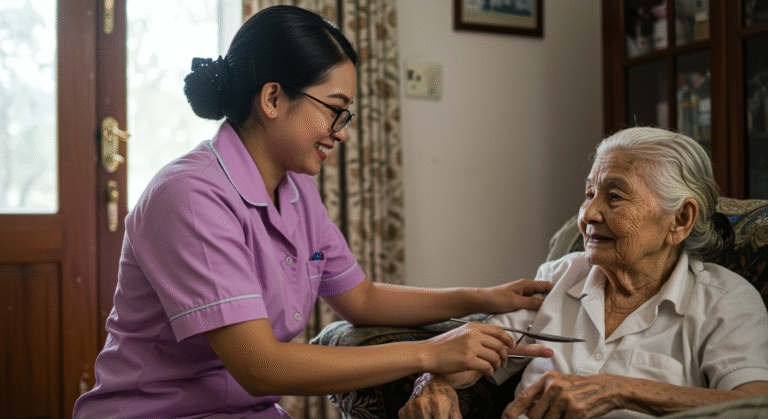
Choosing the Right Caregiver for Your Loved Ones: A Step-by-Step Guide
When a loved one requires extra help at home, finding the right caregiver can be one of the most important decisions you make. The right caregiver can provide not just assistance with daily tasks but also companionship, emotional support, and peace of mind. With so many options available, it can feel overwhelming. In this guide, we’ll walk you through the key steps to help you choose the right caregiver to ensure your loved one receives the care they deserve.
Step 1: Assess Your Loved One’s Needs
Before starting the search for a caregiver, it’s essential to first understand your loved one’s specific needs. Ask yourself:
Does your loved one require help with daily activities, like bathing, dressing, or meal preparation?
Do they need medical care, such as medication management or assistance with mobility?
Are there any special needs related to a chronic condition, dementia, or physical disabilities?
By evaluating these needs, you’ll have a clearer understanding of the type of caregiver you should be looking for, whether it’s someone with medical qualifications or a companion who can assist with personal care and household tasks.
Step 2: Look for Qualified, Experienced Caregivers
Once you have a clear idea of the level of care required, it’s time to start searching for a qualified caregiver. Here’s what to look for:
Training and Certification: Ensure the caregiver has appropriate certifications, such as CPR, First Aid, or specialized training in areas like dementia care or physical therapy, if needed.
Experience: Ideally, the caregiver should have prior experience working with individuals who have similar needs to your loved one. Whether it’s managing chronic illnesses, providing post-surgery care, or caring for the elderly, experience in the right area will ensure quality care.
References and Reviews: Ask for references from previous clients or employers, and check online reviews if available. This will give you insight into the caregiver’s reliability and the quality of care they provide.
Step 3: Consider Compatibility and Personality
While qualifications and experience are important, it’s equally crucial to find a caregiver who is compatible with your loved one’s personality and preferences. Here are some points to consider:
Communication Skills: The caregiver should be able to communicate effectively with your loved one, especially if they have memory loss or difficulty expressing themselves.
Personality: Your loved one will be spending a lot of time with the caregiver, so it’s essential to choose someone who is kind, patient, and empathetic. The caregiver should be a good match for your loved one’s temperament and needs.
Trustworthiness: The caregiver should be someone you feel comfortable leaving your loved one with. Trust is a major factor when choosing the right person for the job.
Step 4: Interview Potential Caregivers
Once you’ve narrowed down a list of potential candidates, schedule interviews to get to know them better. During the interview, consider asking:
What experience do you have in caregiving?
How do you handle stressful or emergency situations?
Are you comfortable with the specific duties required, such as bathing, mobility assistance, or managing medications?
How do you approach building rapport and trust with clients?
This will give you a chance to assess whether the caregiver will be a good fit for your loved one and allow you to gauge their professionalism and attitude.
Step 5: Set Expectations and Define Responsibilities
Once you’ve selected a caregiver, it’s important to clearly define their responsibilities and establish expectations. This includes:
Creating a care plan that outlines daily tasks, medical needs, and any special instructions.
Discussing hours, payment, and any legalities such as contracts or insurance.
Setting clear boundaries and communication channels to ensure that both you and the caregiver are on the same page.
Having a clear understanding from the start will help ensure that everyone involved is comfortable and confident in the caregiving process.
Step 6: Monitor and Evaluate the Caregiver’s Performance
Once your loved one’s caregiver is in place, don’t forget to continue evaluating the quality of care. Stay in regular communication with both your loved one and the caregiver to make sure everything is going smoothly. It’s also important to conduct occasional check-ins to see how the caregiver is performing, whether the needs of your loved one are being met, and whether any adjustments are necessary.
Conclusion
Choosing the right caregiver is crucial to ensuring that your loved one receives the best possible care. By assessing their needs, looking for qualified and experienced caregivers, ensuring compatibility, and setting clear expectations, you can make the best decision for your family. Remember, the right caregiver can make all the difference in the quality of life of your loved one, providing them not only with assistance but with dignity and comfort.